
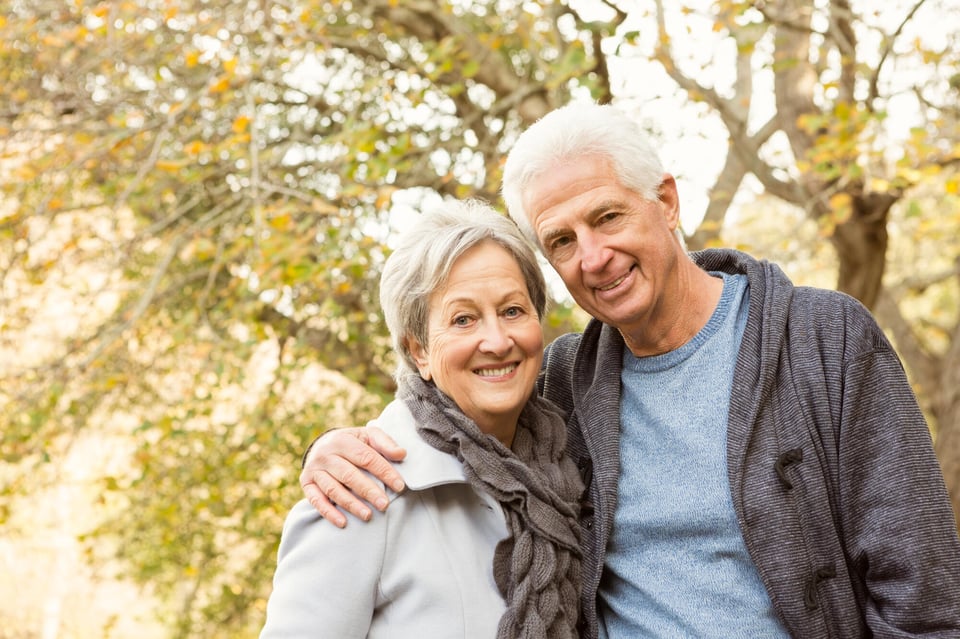
Couples stay together by choosing daily kindness and clear communication, even when routines shift. Shared goals, patience, and mutual care help maintain a strong marriage during health or lifestyle changes.
According to Wilkinson & Finkbeiner, around 59% of first marriages last.
Long marriages often face new chapters later in life. Bodies change, energy levels shift, and living needs may grow. Love can still stay strong through each season.
Senior years can bring challenges, yet connection remains possible and meaningful. Many partners learn to adjust together. Read on to see how emotional bonds often deepen with time and understanding in Ventura, CA.
How Do Couples Maintain a Strong Marriage as They Age?
Open communication plays a major role in lasting love. Partners who talk honestly about needs feel more supported.
Listening becomes just as important as speaking. Respect grows when each voice feels heard.
Shared routines also help couples stay close, which could include:
- Morning walks
- Evening tea
- Favorite shows
Small habits offer a steady connection. Familiar moments can reduce stress during change.
Flexibility matters in marriage and aging. One partner may need more help. Roles may shift over time.
Patience allows couples to adjust without resentment. Teamwork replaces old expectations.
Support from others can strengthen senior couple relationships. Family encouragement often lifts spirits.
Social activities can create shared joy. Community events help couples feel less isolated.
Emotional closeness remains vital. Simple affection builds reassurance, which includes:
- Holding hands
- Smiling often
- Saying kind words
Emotional care supports emotional wellness in seniors.
What Helps Couples Stay Connected During Health Changes?
Health changes can feel overwhelming. Couples who face them together feel less alone.
Clear planning reduces fear. Honest talks help partners prepare emotionally.
Caregiving roles may evolve. One partner might offer more daily support. Gratitude helps prevent burnout.
Appreciation keeps love balanced. Respecting limits protects both people.
Outside help can ease pressure. Assisted living for couples offers shared care while preserving closeness.
Couples remain together while receiving needed support. Shared spaces allow continued companionship.
Maintaining independence where possible matters. Personal interests still deserve time.
Individual hobbies support confidence. Some healthy space strengthens the connection later in life.
Laughter remains powerful medicine, and humor softens difficult days. Shared jokes ease tension. Smiles often appear during small moments.
Routine check-ins help partners stay emotionally aligned. Asking simple questions builds understanding.
"How are you feeling today?" invites honesty. Emotional connection grows through daily care.
How Does Environment Impact Long-Term Marriage Satisfaction?
A supportive environment helps couples thrive. Calm surroundings reduce stress.
Familiar items bring comfort. Personal memories remind partners of shared history.
Privacy supports intimacy, and quiet moments encourage closeness. Couples benefit from shared rooms and private time. Respectful surroundings allow love to grow.
Opportunities for shared activities matter, which could include:
- Games
- Classes
- Music
Couples bond through fun experiences. Learning together builds teamwork.
Staff support can influence comfort levels. Kind assistance reduces worry.
Reliable help allows couples to focus on each other. Trust encourages peace of mind.
Community life offers social balance. Group events prevent loneliness.
Friendships add joy without replacing partnership. Couples enjoy both togetherness and community.
Marriage remains a journey. Environments that respect bonds help marriages adapt gracefully. Love often flourishes when couples feel secure and valued.
How Can Couples Grow Stronger Through Daily Change?
Daily change can feel tiring, yet small efforts help couples grow closer. Choosing kindness each morning sets a positive tone. Simple check-ins support emotional balance.
Asking about feelings shows care and respect. Flexibility helps couples adapt without conflict.
Some days require more patience than others. Grace allows space for mistakes. Shared problem-solving builds trust over time.
Staying present matters during transitions. Focusing on today reduces worry about tomorrow. Couples often feel stronger when facing challenges side by side.
Celebrating small wins brings encouragement. Finishing a puzzle together or enjoying fresh air can lift spirits.
Marriage remains active work. Growth continues through shared effort. Supportive communication strengthens bonds.
Commitment during change reinforces connection later in life. Love evolves but remains steady with intention.
Frequently Asked Questions
Can Couples Stay Together When Care Needs Increase?
Yes, many couples stay together as care needs grow. Shared living options support both partners. Couples receive help while remaining close.
Emotional bonds often strengthen during shared care experiences. Planning helps couples feel prepared.
How Can Partners Support Each Other Emotionally?
Emotional support begins with listening. Gentle conversations build trust. Encouraging words help during hard days.
Physical affection also matters. Small gestures show love without words.
Does Assisted Living Change Relationship Dynamics?
Some changes occur, yet many couples adapt well. Assisted living for couples allows shared routines.
Less stress from daily tasks can improve connection. Couples often focus more on companionship.
What if One Partner Needs More Help Than the Other?
Patience becomes essential. Couples benefit from open discussion.
Accepting help reduces strain. Balance grows when partners respect each other's limits.
How Can Couples Maintain Romance Later in Life?
Romance continues through intention:
- Shared meals
- Special dates
- Thoughtful notes
Emotional closeness supports lasting intimacy. Love evolves rather than fades.
How Do Couples Handle Disagreements Later in Life?
Disagreements still happen in long marriages. Calm conversations help prevent hurt feelings. Taking breaks during tense moments can reduce stress.
Respectful language keeps discussions productive. Many couples focus on solutions instead of blame.
Compromise often feels easier with age and experience. Listening without interrupting shows care. Apologies also matter and build trust.
How Important Is Friendship in a Senior Marriage?
Friendship remains a strong foundation. Laughing together supports emotional closeness. Enjoying simple conversations builds comfort.
Friendship encourages patience during challenges. Many couples value companionship as deeply as romance.
Feeling understood brings peace. Strong friendship supports senior couple relationships through change.
Maintaining a Strong Marriage Takes Work
A strong marriage can continue through every stage of life. Marriage remains a shared journey filled with learning. Connection later in life offers warmth, trust, and enduring companionship.
Are you and your husband contemplating moving into a Ventura senior living community? At The Palms at Bonaventure, we make sure every day is exciting, with activities like local outings, happy hour, evening movies, sing-a-longs, trivia, and so much more. Check out our floor plans so you can plan your happiest and healthiest retirement, and schedule a tour.