
Practical brain exercises for stroke recovery include memory games, problem-solving puzzles, language activities, movement-based tasks, and structured brain-training programs.
These activities can help to stimulate damaged areas of the brain and promote neuroplasticity in aging, allowing new neural pathways to form. Cognitive changes after a stroke may affect the following:
- Attention
- Communication
- Daily decision-making
Without intentional mental engagement, progress can slow, and independence may decline. Every year, more than 795,000 people in the United States experience a stroke, according to the CDC. This number underscores the importance of accessible, effective recovery strategies.
Cognitive training after a stroke can help improve focus, recall, and mental processing. This training relies on brain exercises as a key part of rehabilitation programs.
This article explores the science behind brain exercises and their link to stroke recovery for seniors. It also looks at the role of assisted living rehab support in Ventura, CA.
What Happens to the Brain During a Stroke?
A stroke happenswhen the blood supply to parts of the brain is blocked, or a blood vessel bursts. This cuts off oxygen and nutrients, leading to the death of brain cells. Damage can spread within moments, so immediate medical attention is critical.
Symptoms can appear quickly. Warning signs can include the following:
- Trouble speaking or understanding language.
- Weakness in the face, arm, or leg (often on one side)
- Vision problems in one or both eyes
- Loss of balance, dizziness, or severe headache
What Are the Most Effective Brain Games to Support Stroke Recovery?
Once the immediate medical crisis is managed, brain games can be used to target specific skills. Take a look at this breakdown:
Memory and Recall
After a stroke, many people struggle with remembering names, appointments, or daily tasks. Memory games help strengthen these skills by encouraging the brain to practice recall.
- Examples: Card-matching games, "Simon Says," or apps that ask you to remember sequences.
- How To Use: Start small, like remembering three grocery items, then gradually increase the challenge.
Problem-Solving and Logic
Stroke survivors often find critical thinking and task-focused activities more difficult. Logic games train the brain to think in sequence and improve concentration.
- Examples: Sudoku, crosswords, word searches, or simple riddles.
- How To Use: Begin with easy puzzles and progress to more complex ones; even five minutes a day can sharpen focus.
Language and Communication
Speech and language are commonly affected after a stroke. Language-based games build vocabulary, comprehension, and communication confidence.
- Examples: Word-building games like Scrabble, reading aloud, or storytelling exercises.
- How To Use: Work with a partner or caregiver to make practice interactive and supportive.
Movement-Based Cognitive Tasks
Combining physical movement with mental tasks helps reconnect the brain and body. These activities improve coordination and multitasking, which are often disrupted after a stroke.
- Examples: Dance routines with steps to remember, Tai Chi, yoga sequences, or walking while counting.
- How To Use: Choose gentle activities first, such as walking across the room while naming colors or animals.
How Ventura, CA, Assisted Living Communities Support Stroke Recovery
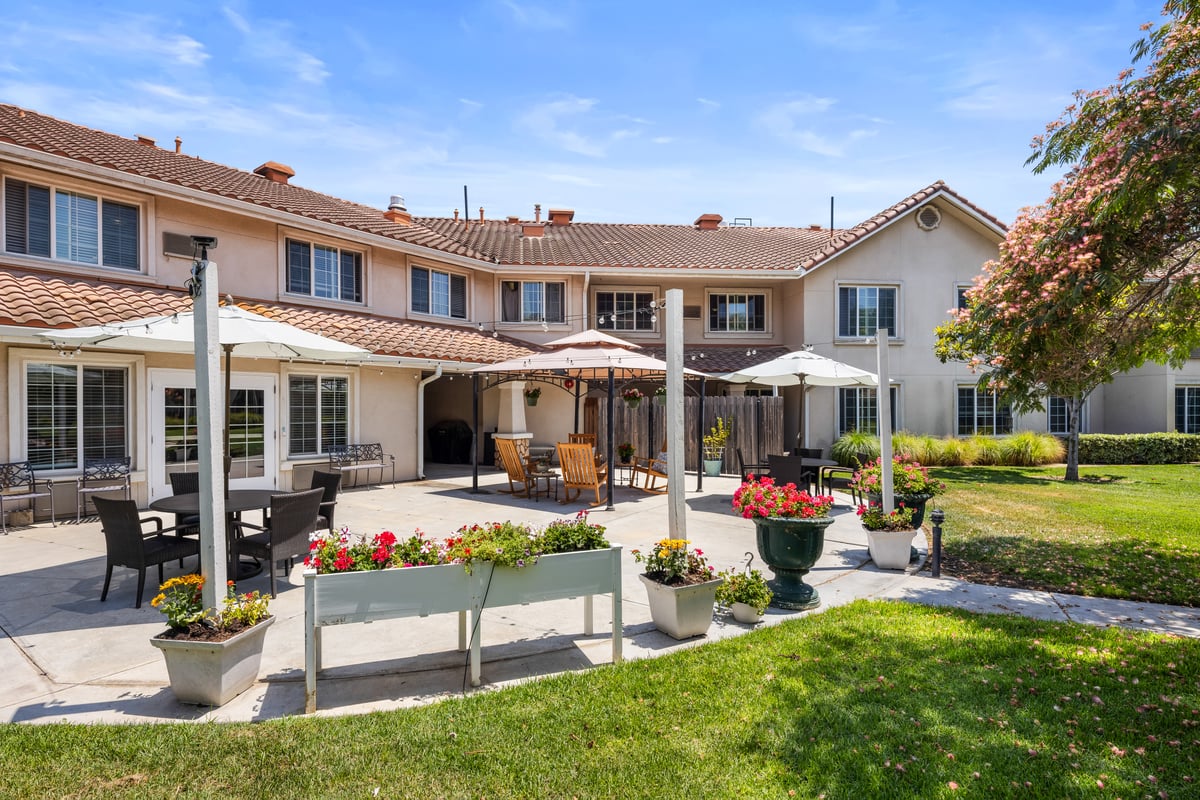
Assisted living and memory care communities such as The Palms at Bonaventure play a vital role in helping stroke survivors regain independence. They are geared towards providing professional care and everyday support. This creates a safe environment where progress can continue steadily.
Residents also benefit from structured routines that reinforce recovery goals. This can include physical activities to rebuild strength or cognitive engagement programs.
Trained staff are available around the clock, and care plans are tailored to individual needs. Beyond daily support, communities provide chef-prepared meals, social opportunities, and safe living spaces that reduce stress and prevent setbacks.
Survivors are encouraged to:
- Participate in shared activities
- Connect with peers
- Rediscover purpose in daily life
At The Palms at Bonaventure, families gain peace of mind knowing their loved ones get attentive care in a setting that promotes cognitive wellness after a stroke.
Frequently Asked Questions
Can Brain Exercises Be Done at Any Stage of Recovery?
Yes. Whether you are newly in recovery or many months out, brain exercises can be integrated into daily life. Consistency matters most.
Activities must suit current abilities and can be adjusted as improvement progresses. Regular practice of cognitive tasks helps maintain motivation. It can continue long after initial rehabilitation is complete.
How Long Should Stroke Survivors Practice Brain Training Each Day?
It is best to aim for 20 to 30 minutes of focused cognitive exercises two to three times each day. Try to schedule these sessions at times when you feel most alert and energetic.
If you begin to feel mental fatigue, take a short five-minute break before continuing. As your stamina improves, increase the duration of each session.
What Tools and Apps Can Help With Brain Training?
Technology offers tools that adapt cognitive exercises to a person's ability level. Apps and digital games can effectively guide users through challenges in:
- Memory
- Attention
- Processing speed
Digital brain training complements traditional activities well.
Are Group Activities Better Than Solo Exercises for Stroke Recovery?
Group activities provide added benefits by combining social interaction with cognitive stimulation. Solo exercises are valuable, but group settings encourage communication and offer emotional support.
What Role Do Caregivers and Therapists Play?
Caregivers and therapists can guide stroke survivors through:
- Tailored brain-training exercises
- Progress tracking
- Challenge adjustment as abilities improve
Stroke recovery is usually supported by trained specialists. This can include speech-language pathologists and physio- and occupational therapists. They will work side by side to help survivors:
- Regain independence
- Keep up with everyday activities
Why Brain Exercises for Stroke Recovery Matter
Brain exercises for stroke recovery help rebuild memory, focus, and problem-solving skills. When combined with structure, professional support, and care, they help survivors regain independence while maintaining mental function.
Support cognitive wellness at The Palms at Bonaventure through Assisted Living and Generations Memory Care programs focused on engagement. In addition to thoughtfully designed apartment homes, we offer amenities such as activity rooms, a movie lounge, and outdoor walking paths. The Vibrant Life® program allows residents to choose activities that match their interests, from chair exercises to arts and crafts.
Schedule a visit today to learn more.