Summary
Understanding what makes a good memory care program helps families identify communities that prioritize dignity, meaningful engagement, and individualized support for residents living with dementia or Alzheimer's disease.
- Well-designed environments incorporate wide hallways, visual cues, secure outdoor spaces, color-contrasted doorways, and thoughtful lighting to reduce confusion while maintaining safety and comfort
- Person-centered care recognizes each resident's unique history, preferences, and abilities, with associates using personal information to develop individualized support plans and flexible daily routines
- Specialized training for associates covers communication techniques, behavioral response approaches, dementia progression education, and recognizing changes in residents' needs
- Effective memory care programming emphasizes what residents can still enjoy—including music, art, movement programs, reminiscence sessions, and simple meaningful tasks—rather than focusing on limitations
- Regular family communication, ongoing medical coordination, and reassessed support plans ensure continuity of care as residents' needs change over time
Choosing memory care for a loved one living with dementia or Alzheimer's disease is a significant decision. Understanding what makes a good memory care program can help families evaluate their options with confidence. Quality programs combine thoughtfully designed environments, trained associates, and meaningful daily experiences to support residents' cognitive and emotional well-being.
For families exploring memory care in Ventura, CA, knowing which features matter most can make the decision easier.
Specialized Dementia Care Features: Environment and Safety
The physical environment plays an important role in effective memory care. Well-designed neighborhoods incorporate features that reduce confusion, support comfort, and help residents move through their surroundings confidently.
Important specialized dementia care features include:
- Wide hallways with visual cues that make navigation easier
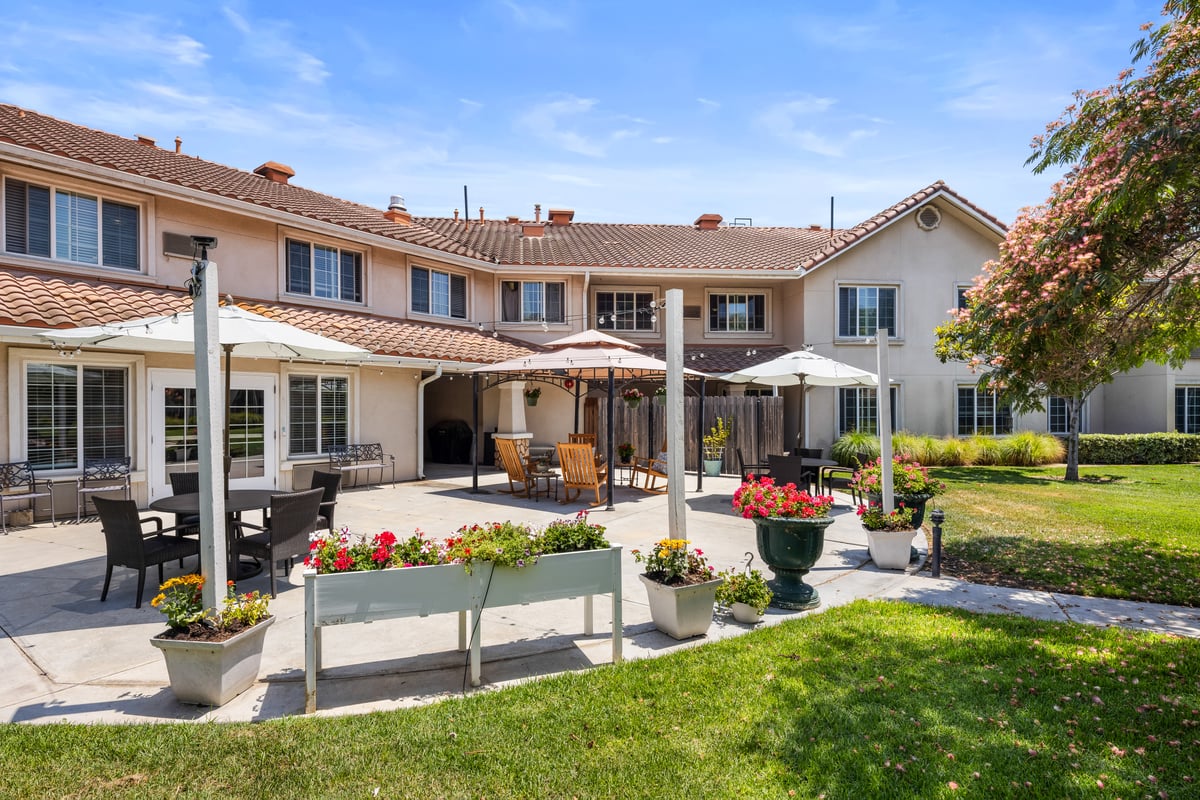
- Secure outdoor spaces offering opportunities to enjoy fresh air
- Color-contrasted doorways, handrails, and fixtures for easier identification
- Thoughtful lighting that reduces shadows and glare
- Familiar furnishings that create a comfortable, welcoming atmosphere
Safety should remain a priority without compromising dignity. Secured entrances and exits can help address wandering concerns while maintaining a welcoming community environment.
Person-Centered Memory Care: Understanding Each Resident
Evaluating memory care program quality means looking beyond amenities to understand how residents receive support.
A person-centered memory care approach recognizes that every resident has unique experiences, preferences, and abilities. Associates use personal histories, former occupations, hobbies, and cherished memories to develop individualized support plans.
This approach also shapes daily routines. Some residents enjoy morning programs, while others prefer quieter mornings and more engagement later in the day.
At The Palms At Bonaventure, families exploring Memory Care can ask how associates incorporate residents' preferences into daily experiences and adjust support as needs change.
Why Personalized Routines Matter
Familiar routines can provide comfort for individuals experiencing cognitive changes. Maintaining preferred mealtimes, favorite pastimes, and meaningful social connections helps create a sense of familiarity.
Rather than expecting everyone to follow identical schedules, effective programs recognize that flexibility is an important part of respectful support.
Specialized Training for Memory Care Associates
The knowledge and experience of associates directly influence memory care quality. Communities committed to effective dementia support emphasize ongoing education and practical training.
Important areas of training include:
- Communication techniques that help associates connect with residents experiencing different cognitive changes
- Approaches for responding to behavioral changes with patience and understanding
- Education about dementia progression and its effects on daily life
- Recognizing changes in residents' needs and adjusting support appropriately
Consistent relationships are equally important. When associates interact with residents regularly, they become familiar with individual preferences, communication styles, and routines.
These relationships can also help associates recognize subtle changes in mood, appetite, or engagement that deserve attention.
Memory Care Programming for Alzheimer's: Meaningful Daily Experiences
The best memory care approach for dementia focuses on what residents can still enjoy and accomplish rather than emphasizing limitations.
Effective memory care programming for Alzheimer's provides opportunities for connection, creativity, and personal expression.
Examples include:
- Music programs that encourage emotional expression and familiar memories
- Art projects adapted to different abilities and interests
- Gentle movement programs supporting mobility and physical well-being
- Reminiscence sessions celebrating personal histories
- Sensory experiences involving familiar sounds, textures, and scents
Simple tasks such as arranging flowers, folding towels, or organizing familiar objects can also provide opportunities for meaningful participation.
Creating Opportunities for Personal Connection
Programs should accommodate individual interests and energy levels. While some residents enjoy group gatherings, others prefer one-on-one interactions or quieter experiences.
Integral Senior Living's Vibrant Life® approach emphasizes meaningful engagement, offering a useful consideration when families evaluate daily programming.
At The Palms At Bonaventure, families can ask how Memory Care programming reflects residents' personal interests and abilities.
Family Communication and Ongoing Support
Families remain important partners in memory care. Effective programs encourage communication about changing needs, support plans, and everyday experiences.
Associates should welcome family input, provide regular updates, and help loved ones understand what to expect as dementia progresses.
Some communities also offer educational resources or opportunities for families to connect with others facing similar experiences.
Open communication helps families remain involved while building confidence in their loved one's daily support.
Continuity of Care and Medical Coordination
As dementia progresses, residents' needs may change. Effective programs regularly reassess support plans and coordinate with healthcare providers when appropriate.
This may involve monitoring wellness, assisting with medication management, and communicating with physicians or therapists.
Maintaining familiar routines and relationships can provide additional comfort during these transitions.
When evaluating communities, families should ask how changing needs are addressed and whether additional support can be provided within the existing environment.
Discover Personalized Memory Care in Ventura, CA
Understanding what makes memory care effective helps families identify programs that prioritize dignity, meaningful engagement, and individualized support.
The Palms At Bonaventure offers Memory Care in Ventura, CA, alongside Assisted Living. Families can explore how the community approaches personalized support, daily engagement, and resident well-being.
Schedule a tour of The Palms At Bonaventure to learn more about its Memory Care offerings, meet the associates, and see whether the community is a good fit for your loved one.